

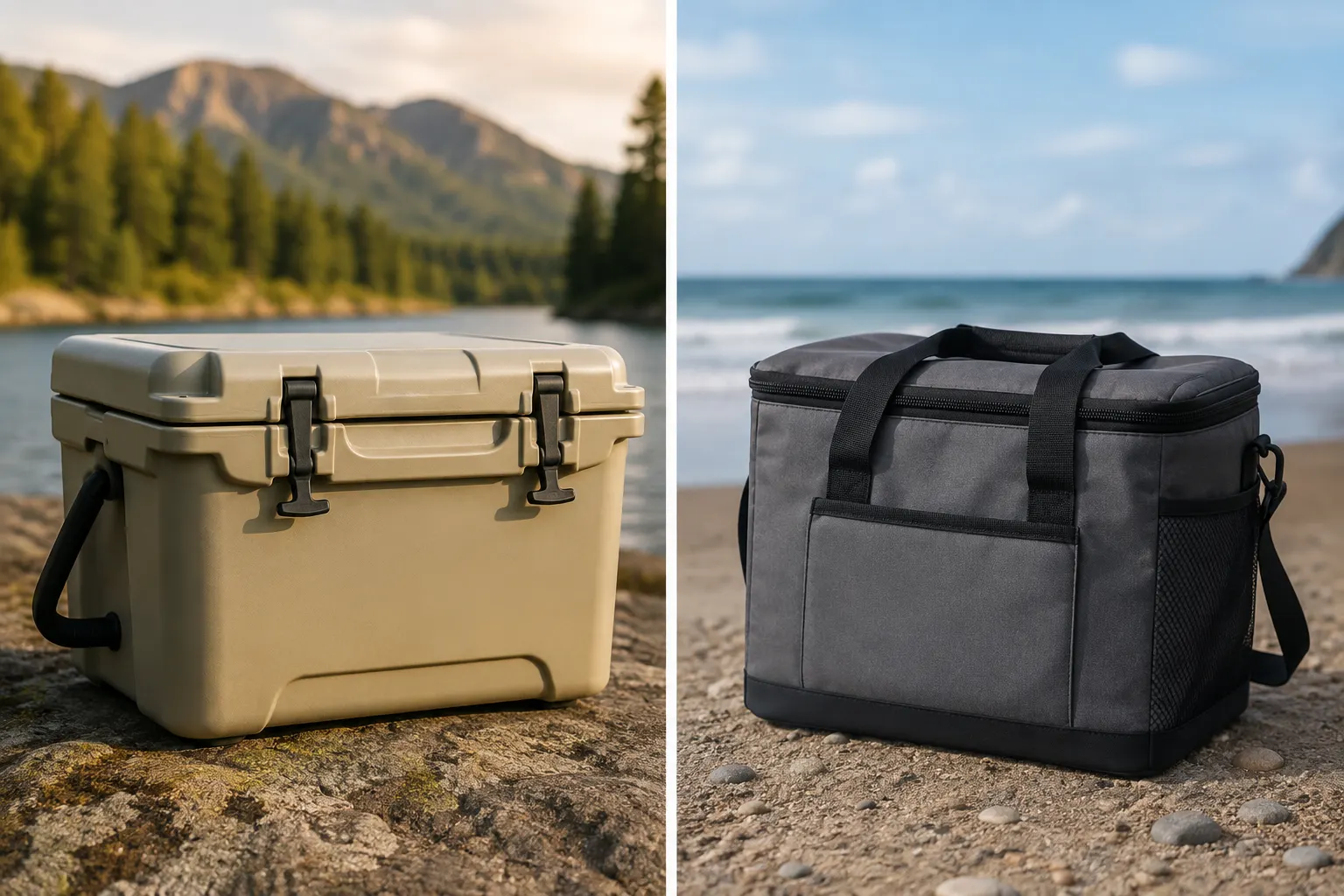
The debate always starts the same way… Someone asks which cooler to bring, and everyone has an opinion. Should you go with a hard-sided or soft-sided cooler?
With so many options and a booming cooler market, your decision matters more than ever. Choosing a cooler seems easy until you’re faced with a wall of choices.
Both types keep your food and drinks cold, but they work differently and suit different trips. This guide explains the history, the facts, and the real differences so you can choose the best cooler for your next adventure.
In this guide, you’ll learn about the history of coolers, see the latest market trends, and find out how each type performs. By the end, you’ll know which cooler fits your needs.
A Brief History of Coolers
Before coolers, people used ice boxes.
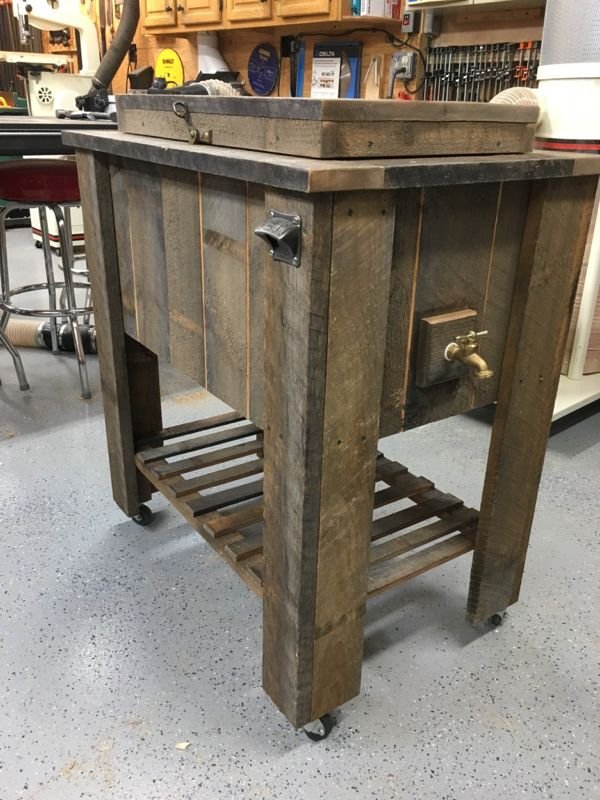
These wooden cabinets were lined with tin or zinc and cooled by a block of ice stored in a top compartment.
Families bought ice from delivery trucks and replaced it every few days. Home refrigerators started replacing ice boxes in the 1920s and 1930s, but portable ice storage still had a place for travel and outdoor trips.
The Early Years (1880s–Early 1900s)
Factory workers in the 1880s carried tin lunchboxes with wire handles.
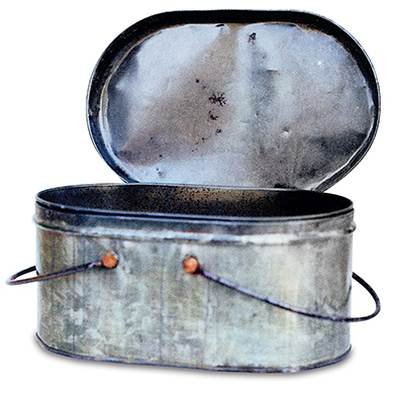
These were the first portable food containers. They kept food safe but offered no temperature control.
The modern cooler took shape in the 1950s. Companies like Coleman began selling metal and early plastic ice chests built for camping and road trips. These coolers used simple insulation and were lighter than ice boxes, but they still let cold air escape quickly.
The Rise of Hard-Sided Coolers
Hard plastic coolers eventually became the standard. These traditional coolers kept their shape in storage and during use. They worked well but had one major problem. Their fixed shape made them difficult to store and transport.
The Soft-Sided Revolution
Soft-sided coolers offered a solution. They provided flexibility, lighter weight, and easier storage. People could carry them more easily and tuck them into tight spaces.
The Premium Cooler Era (2006–Present)
The next big shift happened in the 2000s. Yeti launched its first rotomolded cooler in 2006.
Rotomolding created a single, seamless piece of thick plastic that held in cold air far longer than older designs. This started a wave of premium hard-sided coolers built for hunting, fishing, and long camping trips.
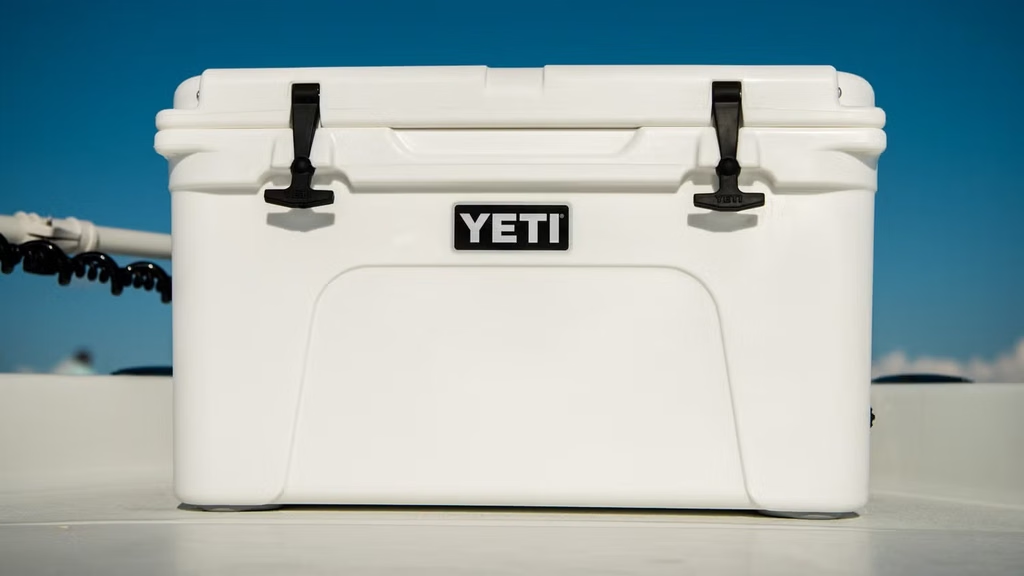
In 2006, brothers Roy and Ryan Seiders got frustrated with coolers breaking during their fishing trips. So they created the YETI Cooler and priced it at $300, ten times more than a typical cooler. They believed other anglers would pay extra for something that lasted.
A new manufacturing process changed everything. Rotomolding, first used in the automotive industry, made it possible to create seamless plastic shells with built-in insulation. This process uses high heat and low pressure to form a single, solid piece of hollow plastic.
These tough coolers could handle rough use. You could sit on them, and they stood up to sun, rain, and saltwater. What started as a fishing accessory soon became a lifestyle item. Now, tailgaters, beachgoers, picnickers, and backyard grillers all want one.
By 2009, YETI sales hit $5 million. By 2016, annual revenue reached nearly $469 million.
What Makes a Cooler Hard-Sided or Soft-Sided?
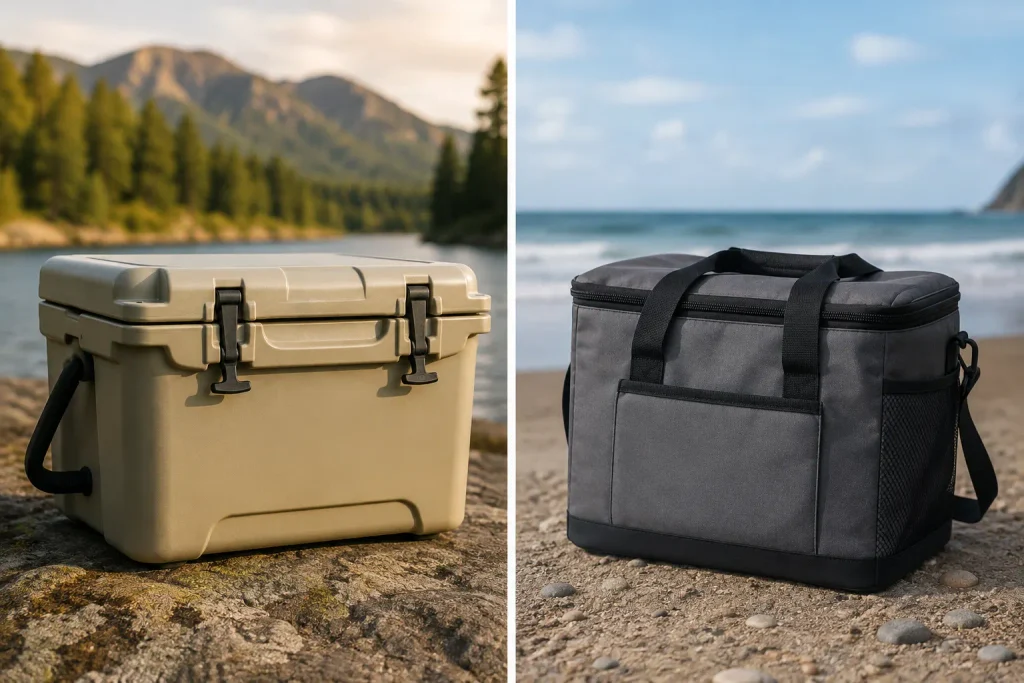
Hard-sided coolers have a rigid plastic shell, usually made through rotomolding or injection molding. The walls are thick and packed with foam insulation. This design creates a tight seal that keeps cold air in and warm air out.
Soft-sided coolers use a fabric exterior, often nylon or polyester, with a layer of foam or closed-cell insulation inside. The material bends and folds, so you can flatten or roll the cooler up for storage. Soft coolers usually have a zippered top instead of a hinged lid.
The basic trade-off is this: hard-sided coolers trap cold air better because of their sealed, rigid design. Soft-sided coolers trade some of that cold retention for lighter weight and easier storage.
Quick Reference Table
| Feature | Hard-Sided Cooler | Soft-Sided Cooler |
| Ice Retention | 2–10+ days | Several hours to 24–72 hours |
| Typical Capacity | 20–50+ quarts | 5–20 quarts |
| Weight | Heavy (10–15kg+ empty) | Lightweight (30–50% lighter) |
| Durability | Rotomolded, impact-resistant | Flexible, daily-use materials |
| Portability | Bulky, rigid | Easy to carry, collapsible |
| Storage | Fixed dimensions | Collapsible, lower volumetric weight |
| Price | Higher ($200–$1,500+) | More affordable |
| Best For | Extended trips, rugged conditions | Day trips, commuting, short outings |
1. Insulation and Ice Retention
Ice retention is the biggest factor people care about, and the difference between these two cooler types is significant.
Hard-Sided Coolers
Standard rigid coolers keep ice intact for up to two days under the right conditions. Premium hard-sided coolers maintain ice for up to seven days. Test results show hard-sided coolers achieve 88 hours of ice retention at 72°F. Rotomolded coolers use thick, insulated walls and advanced sealing technology.
Soft-Sided Coolers
Maximum ice retention typically lasts around 24 hours. Soft-sided coolers tested kept things cold for approximately 64 hours at 72°F. They use flexible materials like nylon or polyester with closed-cell foam insulation.
A few factors affect these numbers no matter which cooler you use:
- Outside temperature. Hot weather speeds up ice melt in any cooler.
- Fill ratio. A cooler packed full holds cold better than one that is mostly empty, since there is less air space to cool.
- Ice-to-content ratio. More ice compared to food and drinks means longer retention.
- How often the lid opens. Each time you open a cooler, cold air escapes and warm air gets in.
Real-World Test Results
In a 95°F kayak fishing test after 24 hours:
- YETI hard cooler retained 41% of its ice
- Engel hard cooler retained 38%
- RTIC soft cooler retained significantly less
2. Durability and Construction
In terms of lifespan, a well-made hard-sided cooler can last 10 years or more with basic care. Soft-sided coolers usually last 3 to 5 years with regular use, though this varies based on fabric quality and how often you pack and unpack the cooler.
Hard-Sided
These coolers use tough, high-density polyethylene or rotomolded plastic. The seamless construction eliminates weak points. The cooler doubles as a seat, step stool, or prep surface. It resists rough handling, impacts, and outdoor elements.
Soft-Sided
These coolers use flexible materials like nylon or polyester. They feature coated polyurethane or Mylar to reflect heat. They can become squishy and leak-prone if overloaded. They offer less durability but more convenience for daily use.
3. Portability and Storage
Weight is one of the clearest differences between the two types. Hard-sided coolers are heavier, both empty and loaded. A large hard cooler can weigh 20 to 30 pounds empty, before you add ice or food. Soft-sided coolers weigh a fraction of that, often under 5 pounds when empty, making them easier to carry over long distances.
Hard-Sided
These coolers are heavy, especially when full. Their fixed dimensions make them bulky to store. They can be difficult to transport long distances.
Soft-Sided
These coolers are easy to carry with shoulder straps and handles. They collapse for compact storage when not in use. They squeeze into awkward spaces. They are lighter and quieter with no clunking lids.
4. Capacity and Organization
Hard-Sided
These coolers offer more space and better organization options. They range from small 20-quart models to 50+ quarts. Some models feature wheels for easier transport.
Soft-Sided
These coolers are typically compact at 5–20 quarts. They come in backpack, tote, and lunch bag styles. Many include extra pockets and compartments.
5. Price Comparison
Hard-sided coolers cost more, mainly due to the materials and manufacturing process. Basic hard coolers start around 100 to 150 dollars, while premium rotomolded models from well-known brands can run 300 to 500 dollars or more for larger sizes.
Soft-sided coolers are more affordable across the board. Budget options start at around 30 to 50 dollars, and higher-end soft coolers with better insulation and materials typically range from 100 to 200 dollars.
Price differences come down to a few factors: shell or fabric material, insulation thickness, brand reputation, and added features such as wheels, bear-resistance certification, or reinforced seams.
Buying Guide: Which Cooler Fits Your Life?
Hard-sided coolers are best for trips where keeping things cold and durability are important. Soft-sided coolers are better when you need something easy to carry and don’t need ice to last as long.
Choose a Hard-Sided Cooler If:
- You need long-term ice retention for multi-day camping, fishing, or hunting trips
- You require rugged durability for rough handling, boats, or truck beds
- You need large capacity for group outings or family trips
- You want a cooler that doubles as seating or a prep surface
- You are heading to bear country where a hard-sided cooler offers better protection
- You prioritize performance over portability
Choose a Soft-Sided Cooler If:
- You need lightweight portability for hiking, beach trips, or commuting
- You are planning short day trips where ice only needs to last several hours
- You have limited storage space and want a collapsible option
- You value convenience and flexibility over maximum ice retention
- You need a cooler that is easy to carry with shoulder straps or a backpack design
- You are on a tighter budget
Many outdoor enthusiasts own both types. A large hard cooler handles big, planned excursions. A smaller soft cooler works for spontaneous day trips.
Hard-Sided vs. Soft-Sided at a Glance
| Ice retention | 5 to 10 days | 1 to 3 days |
| Weight (empty) | 20 to 30 lbs | Under 5 lbs |
| Durability | High, impact-resistant | Moderate, puncture risk |
| Price range | $100 to $500+ | $30 to $200 |
| Portability | Lower, wheels help | High, folds flat |
| Storage size | Fixed, needs space | Collapsible |
| Best use | Multi-day trips, hunting, tailgating | Day trips, hikes, commutes |
How to Choose the Right Cooler for You
A few questions can help narrow down the choice:
- How long is your typical trip? Longer trips favor hard-sided coolers for ice retention.
- How many people are you packing for? Larger groups often need the bigger capacity hard coolers offer.
- How will you transport it? If you carry the cooler by hand or on foot, soft-sided is easier to manage.
- How much storage space do you have at home? Limited space favors a soft-sided cooler that folds away.
Some people end up owning both types and choosing based on the trip. A hard-sided cooler for weekend camping and a soft-sided one for beach days or quick outings cover most needs without overspending on a single cooler that has to do everything.
Brand Recommendations
Premium Hard Coolers
| Brand | Model | Key Feature |
| YETI | Tundra Series, Roadie | Industry leader, rotomolded, 5–10 days ice retention |
| Pelican | Elite Series | Exceptional durability |
| RTIC | Ultra-Light Series | Premium quality at a lower price |
| ORCA | Various | High-performance rotomolded |
Budget-Friendly Hard Coolers
| Brand | Model | Key Feature |
| Coleman | Xtreme Series, Classic Series | Best value, lightweight |
| Igloo | BMX Series, Latitude Series | Bargain brand with good performance |
Top Soft Coolers
| Brand | Model | Key Feature |
| YETI | Hopper Series | Premium soft cooler |
| RTIC | Everyday Soft Cooler | Great value |
| Igloo | Polar Series | Best soft cooler award |
| Hydro Flask | Various | Quality insulation |
| Arctic Zone | Titan Series | Wide selection of styles |
Expert Tips for Better Cooler Performance
These tips work for both hard and soft coolers.
- Pre-chill your cooler before packing. Use extra ice, then replace it with a fresh supply.
- Use block ice combined with smaller cubes. Block ice melts slower. Smaller cubes fill gaps between items.
- Freeze water bottles to use as ice packs. They provide cold and give you drinking water as they melt.
- Overpack your cooler. Air speeds up ice melting. A full cooler stays cold longer.
- Keep the cooler out of direct sunlight. Place it in a cool, shaded spot.
- Drape a wet towel over the top for extra sun protection.
- Do not drain melt water unless necessary. Cold water keeps the inside temperature lower than warm air.
Final Thoughts
No single cooler is perfect for everyone. The right cooler is the one that matches your needs.
Hard-sided coolers are best for ice retention, durability, and capacity. They’re a long-term investment that will serve you well for years.
Soft-sided coolers stand out for their portability, convenience, and everyday use. They’re perfect for people who want something easy to carry.
Think about how you actually use a cooler. If you take long camping trips, a good hard cooler is worth it. If you usually go on short outings and want something easy, a soft cooler is the way to go. If you do both, having one of each is a smart idea.


Join the discussion
Own this product or tested an alternative? Share your experience to help other readers decide.