


A cooler and an ice chest are the same thing. Both are insulated boxes that keep food and drinks cold with ice. The difference is the name, not the box. “Ice chest” is the older term. “Cooler” is the term most people use now.
The History
The ice chest came first. In the early 1900s, an ice chest was a wooden box lined with metal, filled with block ice. It kept food cold before home fridges were common. The term stuck in the American South and in the fishing and hunting world.
The cooler came later. In the 1950s, the Coleman company sold the first portable plastic cooler. The name “cooler” caught on, and it is now the term most stores and makers use. YETI, RTIC, Igloo, and Coleman all call their boxes coolers.
The ice box is a third term. It means the same thing in most cases, though some people use “ice box” for a home fridge, or for a small box that holds a bag of ice. I use “cooler” in this guide, since it is the term most shoppers search for.
Where Each Term Is Used
“Cooler” is the term in most of the United States, in stores, and on maker sites. “Ice chest” shows up more in the South, in fishing and hunting circles, and in older writing. “Ice box” shows up in the South too, and in the UK, where it can mean a small cooler or a freezer box.
The term does not tell me the type. A hard cooler, a soft cooler, and a wheeled cooler are all ice chests too. A rotomolded cooler is an ice chest. A lunch bag is a cooler. The name is about the word, not the build.
What to Look for When You Shop
The name on the box does not matter. The build does. I check the same specs on a cooler and an ice chest.
- Size in quarts, and can count with ice.
- Foam thickness: 2 inches or more for a hard cooler.
- The seal: a full gasket around the lid.
- The latches and hinges: metal lasts longer than thin plastic.
- The carry: handles, straps, or wheels that suit the trip.
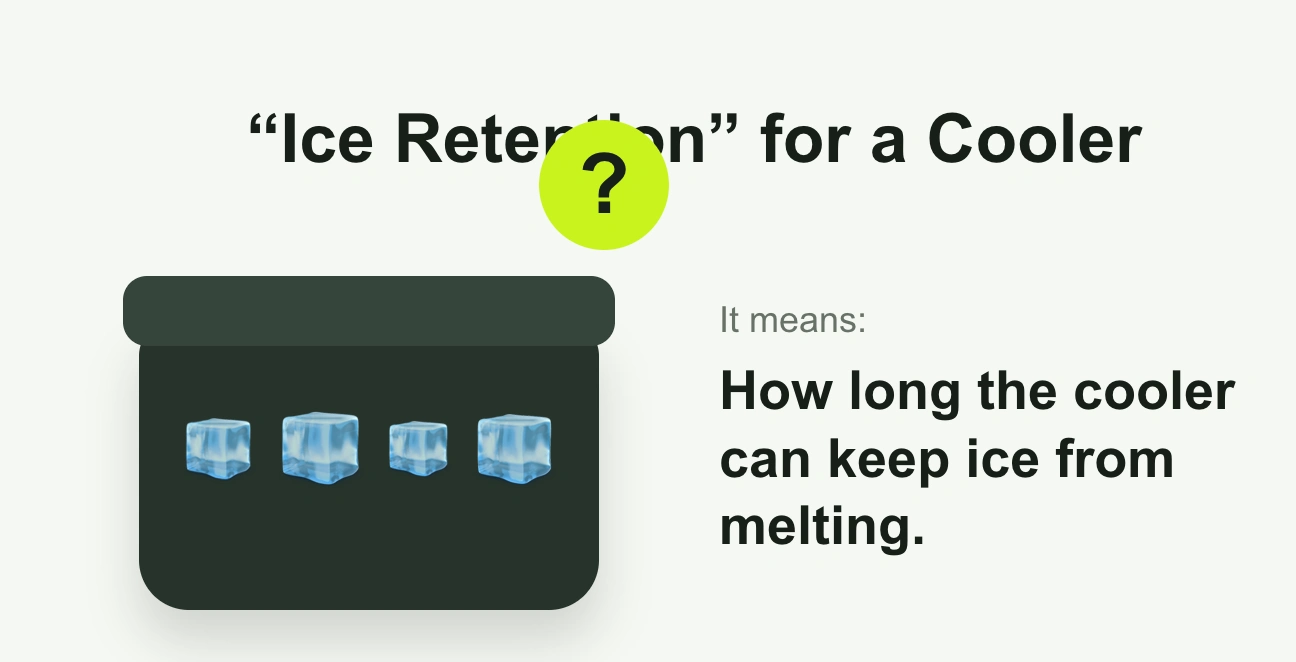
- Ice life: a lab test number, not a maker claim.
The cooler buyer’s guide walks through each choice in order, with test numbers. The ice retention guide explains how to read ice life numbers with care.
The Terms in Our Guides
This site uses “cooler” as the main term. The parent guide is called the best ice chest coolers, since that is the term many readers search for. The two terms point to the same boxes, and the guides use both.
A “chest” cooler is a hard cooler with a lid on top, the classic box shape. A “backpack” cooler is a soft bag with straps. A “wheeled” cooler is a hard cooler with wheels. The shape name tells me more than the word cooler or ice chest ever does.
Cooler vs Ice Chest: Is There a Difference?
Is a cooler the same as an ice chest?
It is. Both are insulated boxes that keep food and drinks cold with ice. “Ice chest” is the older term. “Cooler” is the term most people use now.
What is an ice box?
It means the same thing in most cases: an insulated box for ice. Some people use “ice box” for a home fridge, or for a small box that holds a bag of ice. I use “cooler” to keep it clear.
Why does this site say "ice chest coolers"?
The parent guide uses both terms, since readers search for both. The boxes are the same. The guides use “cooler” as the main term.
Is a YETI an ice chest?
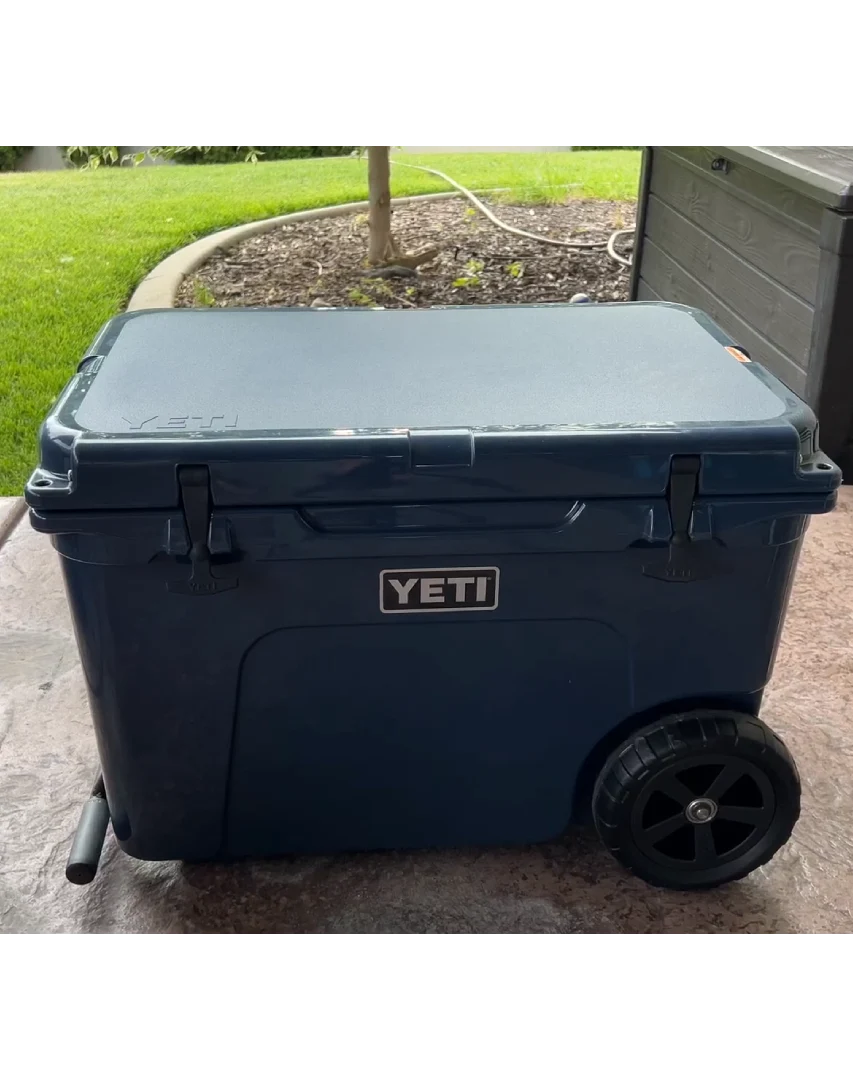
It is. A YETI is a rotomolded hard cooler, and a hard cooler is an ice chest. The brand name does not change the type.
Which term should I search for?
I search for “cooler” when I shop, since stores and makers use it most. I search for “ice chest” when I want older guides and fishing and hunting picks.
Does the name tell me the quality?
It does not. The build tells me the quality: foam thickness, the seal, the latches, and the ice life. I check the specs, not the name.
Have any other questions?
Contact usRelated Reads
- Cooler Buyer’s Guide: pick the right size, type, and build
- Best Ice Chest Coolers: the top picks across all types
- Ice Retention for Coolers Explained: test numbers by cooler type
- Best Mini Coolers: 7 small coolers for solo trips and work
- How to Pack a Cooler: the pack order that keeps food cold
Sources
- FoodSafety.gov, Keep Food Safe: cold food must stay at or below 40 degrees F


Join the discussion
Own this product or tested an alternative? Share your experience to help other readers decide.