

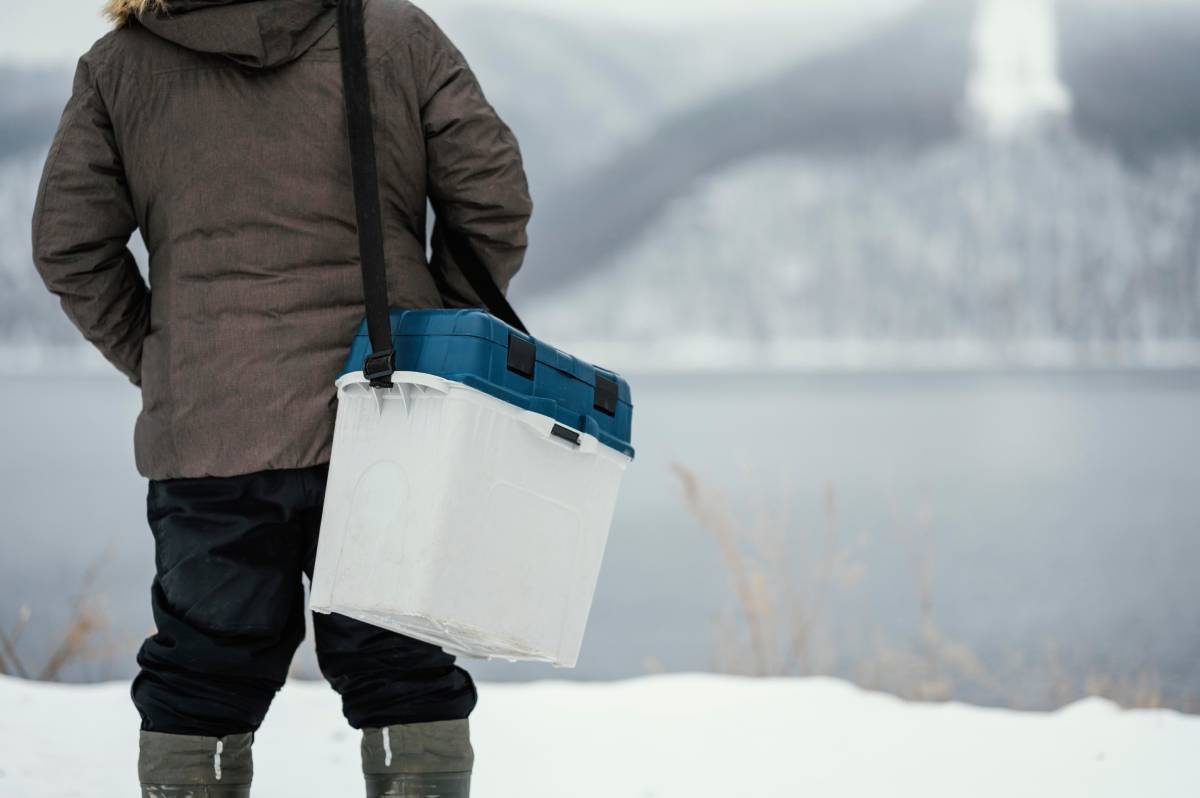
A cooler fails slow. One trip it holds ice a bit less. The next trip the lid sits loose. Then the smell sets in. I check six signs before I trust a cooler on a long trip. A cooler that fails one of these signs can still work for a short day out. A cooler that fails two or more should not carry food on a multi-day trip.
1. Ice Melts Fast
I fill the cooler with ice, shut the lid, and check it the next morning. A healthy hard cooler holds most of its ice for a day or more. A tired cooler turns the ice to water in hours.
Foam wears out. A gasket dries and cracks. A lid warps in the sun. Each gap lets warm air in and cold air out. I check the gasket first. I run a finger along the seal and look for gaps, flat spots, and hard rubber. I press the lid and feel for a tight fit. A lid that rocks or lifts with no pull is done.
I fix a worn gasket when the maker sells a spare. I replace the cooler when the foam itself is tired. No gasket swap saves foam that has lost its fill.
2. The Lid Will Not Seal
A lid must close tight. A lid that pops open, sits crooked, or needs a strap to stay shut is a failed cooler. Warm air leaks in through the gap. Cold air leaks out. Ice melts fast. Food warms past 40 degrees F, and that is the line where food turns unsafe.
I check the hinges next. A hinge that wobbles, a pin that slips, or a hinge that has cracked off the shell means the lid will never sit right. I check the latches too. A latch that will not catch, or a latch that has snapped, leaves the lid loose.
I fix a latch or a hinge when the maker sells the part. Many brands sell latches, hinges, and drain plugs as spares. I replace the cooler when the hinge mount has cracked out of the shell. A mount that has torn free will not hold a new hinge.
3. Cracks, Breaks, and Busted Hardware
I look over the shell in good light. A crack in the outer shell lets water into the foam. Wet foam holds less cold, and it adds weight. A crack in the inner liner is worse. Food juice and melt water seep into the crack. Bacteria grow in the crack. No wash reaches them.
I check the drain plug too. A drain that leaks, a drain cap that has stripped, or a drain that has cracked off the side means the box will not hold water. I check the feet and the handles. A handle that has pulled loose can fail under a full load.
I fix a drain plug and a latch. I replace the cooler when the shell or the liner has cracked. A cracked liner is a food safety risk, not a cosmetic flaw.
4. A Smell That Will Not Wash Out
I wash the cooler with warm water and mild soap, then I dry it with the lid open. A clean cooler smells like nothing. A cooler that still smells sour, fishy, or musty after a full wash has a deeper problem.
Smell lives in foam, in liner seams, and in a drain that has never dried. Mold and mildew grow in dark, damp spots. A baking soda wash clears a light smell. A smell that stays after two washes and a full day of drying in the sun is set in the foam.
I keep a cooler with a light smell for dry gear or for bait. I do not keep food in it. Food picks up the smell, and the smell means bacteria are still there.
5. Leaks on a Soft Cooler
A soft cooler lives or dies by its zipper and its seams. I fill it with water, close it, and tip it on its side. A good bag stays dry. A tired bag weeps at the zipper or at a seam.
A zipper that skips, a zipper that will not close all the way, or a zipper pull that has broken off means the bag will not seal. A seam that has split at a corner means the liner has torn. A liner that has cracked at a fold means water will find its way out.
I fix a zipper pull and a small seam split with a repair kit. I replace the bag when the zipper track has failed or the liner has split in more than one place. A bag that leaks on a car seat or a boat deck is done.
6. The Size No Longer Fits
A cooler can be in fine shape and still be the wrong cooler. A family grows. A day trip turns into a weekend camp. A bad back turns a 65 quart lift into a two-person job. A lunch bag that fit a solo trip will not feed four people.
I check the load, not the cooler. I pack the food and drinks for the next trip, then I check the fit. A cooler that needs a second box for the same trip is too small. A cooler that rides half empty on every trip is too big, and it wastes ice.
I keep the old cooler for the trips it still fits. I buy a new cooler for the trips it does not. The cooler size guide has a chart by group size and trip length.
What I Buy Next
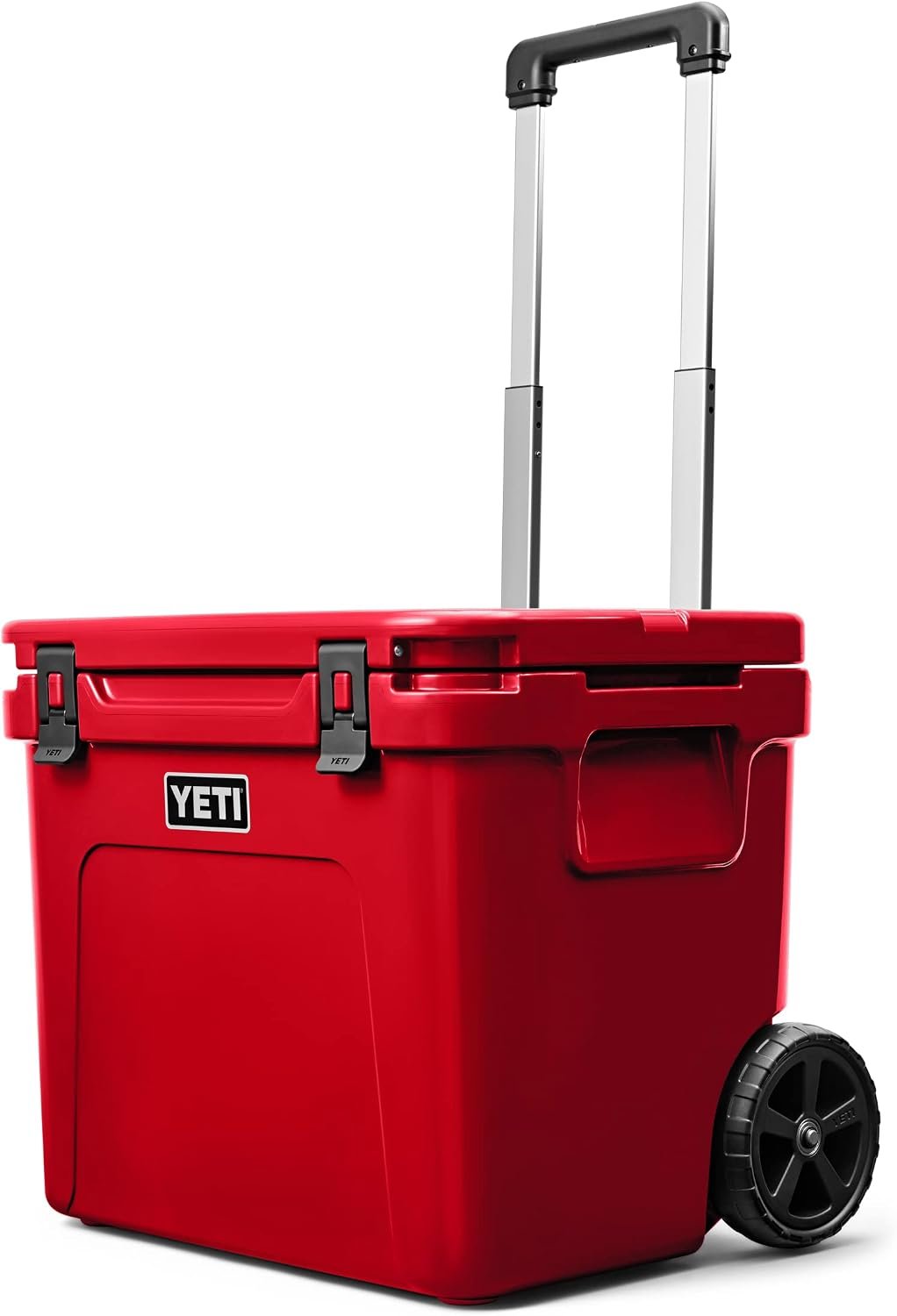
I buy for the next trip, not for the last one. A rotomolded cooler suits a long camp trip. A soft bag suits a day out. A wheeled cooler suits a long walk to a beach. A budget hard cooler suits a weekend that does not need a week of ice.
I check the size, the seal, the latches, and the warranty before I buy. I check a test number for ice life, not a maker claim. The cooler buyer’s guide walks through size, type, and build in order. The best rotomolded coolers list the toughest hard coolers. The best soft-sided coolers list the best bags. The best budget coolers under $100 list the best cheap picks.
6 Signs It Is Time for a New Cooler
Can I fix a broken latch or hinge?
I can fix most latches and hinges when the maker sells the part. I check the maker site for spare parts first. I replace the cooler when the hinge mount has cracked out of the shell.
How long should a cooler last?
A rotomolded hard cooler lasts 5 to 10 years or more. A budget hard cooler lasts 2 to 5 years. A soft bag lasts 1 to 3 years of hard use. Sun, drops, and heavy loads shorten each one.
Does a cooler lose ice life with age?
It does. Foam dries and shrinks. A gasket hardens and gaps. A lid warps in heat. Each gap lets cold air out. A cooler that held ice for 3 days new may hold it for 1 day after years of use.
Is a cracked cooler still safe for food?
A crack in the outer shell is a leak risk. A crack in the inner liner is a food safety risk. Food juice and water seep into the crack, and bacteria grow where no wash can reach. I do not keep food in a cooler with a cracked liner.
Can I recycle an old cooler?
I check the local rules first. Hard plastic coolers go to hard plastic recycling in some towns. A cooler that still works goes to a thrift store or a friend. A cooler with a cracked liner goes in the trash.
Should I repair or replace my cooler?
I repair a latch, a hinge, a drain plug, and a zipper pull. I replace the cooler when the shell or liner has cracked, when the foam is soaked, when the smell will not wash out, or when the ice life has dropped to less than a day.
Have any other questions?
Contact usRelated Reads
- Best Ice Chest Coolers: the top picks across all types
- Best Rotomolded Coolers: the toughest hard coolers
- Best Budget Coolers Under $100: the best cheap picks
- Best Soft-Sided Coolers: the best bags for day trips
- Best Wheeled Coolers: rolling coolers for long walks
- How to Clean and Deodorize Your Cooler
- How to Make Ice Last Longer in a Cooler
Sources
- FoodSafety.gov, Keep Food Safe: cold food must stay at or below 40 degrees F
- FDA, Handling Food Safely While Eating Outdoors: pack, chill, and serve food safe outdoors


Join the discussion
Own this product or tested an alternative? Share your experience to help other readers decide.